

Exploring the History of Terracotta Clay Pots
In a world that regularly leans more towards the sleek and the new, there is a lasting quality about objects that have stood the test of time. Among these are antique pots that hold a special place in history for their heritage value and workmanship. Looking more closely, you begin to uncover not only the histories they preserve but also the artistry that was involved into making them.

The Origins of Antique Pots
The story of antique pots goes back thousands of years. Long before pottery was collected or displayed, it was part of everyday life. People relied on pots to store food, water, and grain. Clay was easy to find and easy to work with, shaped by hand using simple tools.
What started as a practical need slowly became a skill. Over time, repetition and use refined the process. Pots became stronger, more balanced, more considered. Not made for decoration, but for living.
The Role of Pottery in Ancient Civilisations
In ancient civilisations, pottery was never just functional. It reflected daily routines, beliefs and local traditions. Shapes and finishes varied depending on where the pots were made and on the materials available. Some were plain and heavy, others more detailed, but all showed signs of the hands that made them.
Through regular use, these objects became part of family life and shared moments. They were handled, repaired, reused, and passed on, carrying culture quietly rather than deliberately preserving it.
The Greeks, for example, used pots for storage, but also as a way to record stories. Scenes painted onto pottery show fragments of mythology and everyday life. In ancient China, terracotta soldiers were created not as decoration, but as a reflection of belief, protection, and status. Different cultures, different purposes — but the same idea of pottery as something deeply tied to how people lived.
The Craftsmanship Behind Antique Pots
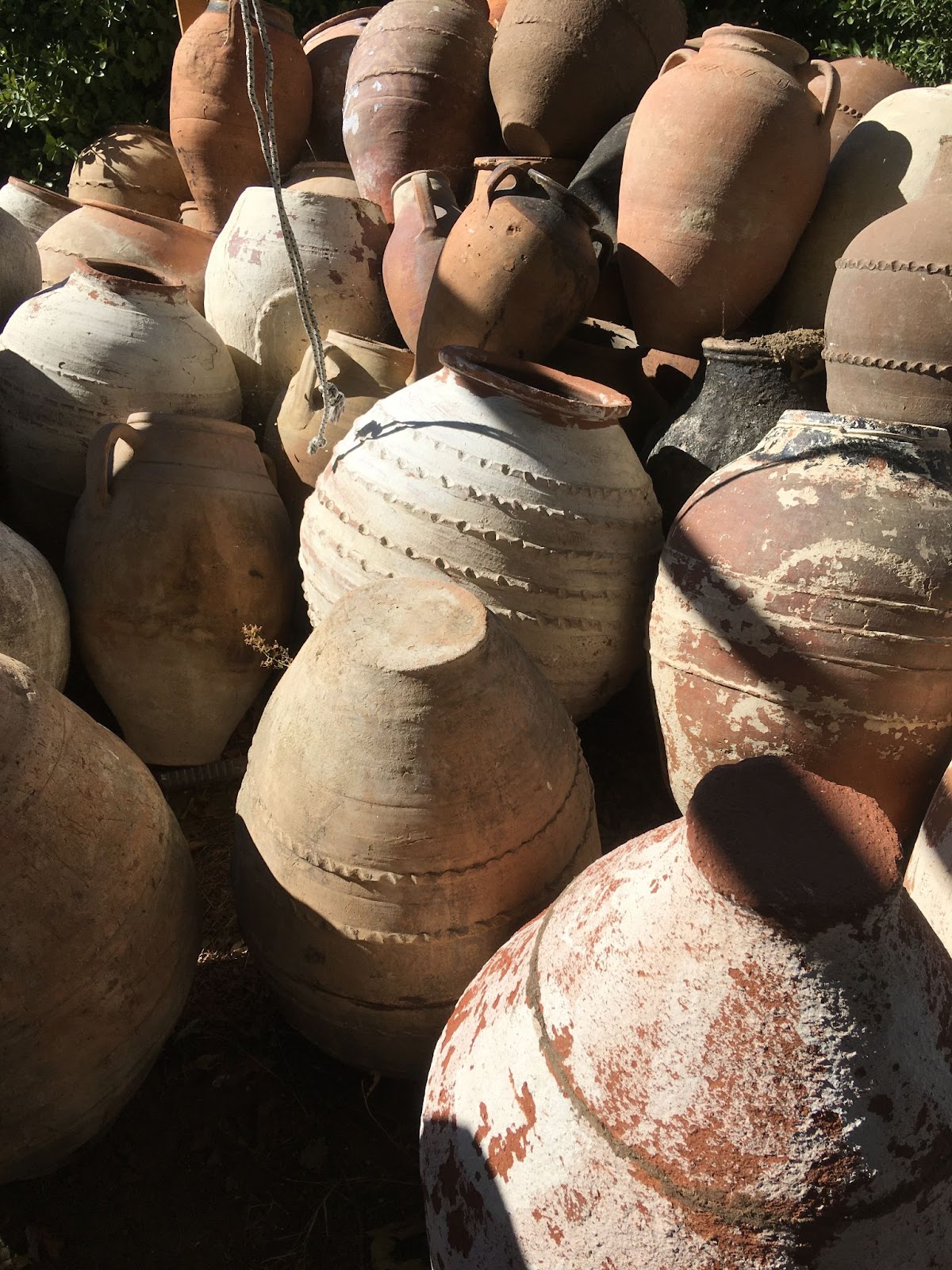
Making antique pots took time. It wasn’t rushed, and it wasn’t casual. Each piece was shaped by hand, often by people who had spent years learning how clay behaved how it felt, how it moved, how it responded to heat. These skills were learned through practice and passed down over generations, not written manuals.
You can see that care in the finished pots. In the balance, the weight, the small irregularities that show they weren’t mass-produced, but made one at a time.
Materials and Techniques
Most antique pots were made from clay because it was widely available and easy to work with. The type of clay, along with how it was fired, played a big role in how each pot looked and how long it lasted. Terracotta, earthenware, and stoneware were the most common. Each one feels different in the hand, depending on the clay and how it was fired.
How pots were made often came down to place and purpose. Some were thrown on a wheel to create simple, balanced forms for daily use. Others were built by hand, using coils or slabs, which allowed for looser shapes and small variations. No two pieces were exactly the same, and that’s part of what gives antique pots their presence.

The Cultural Significance of Antique Pots
Antique pots are valuable not only for their beauty but also for their cultural significance. They offer a tangible connection to the past, providing insights into the lives and beliefs of those who came before us.
The Timeless Appeal of Vintage Pottery
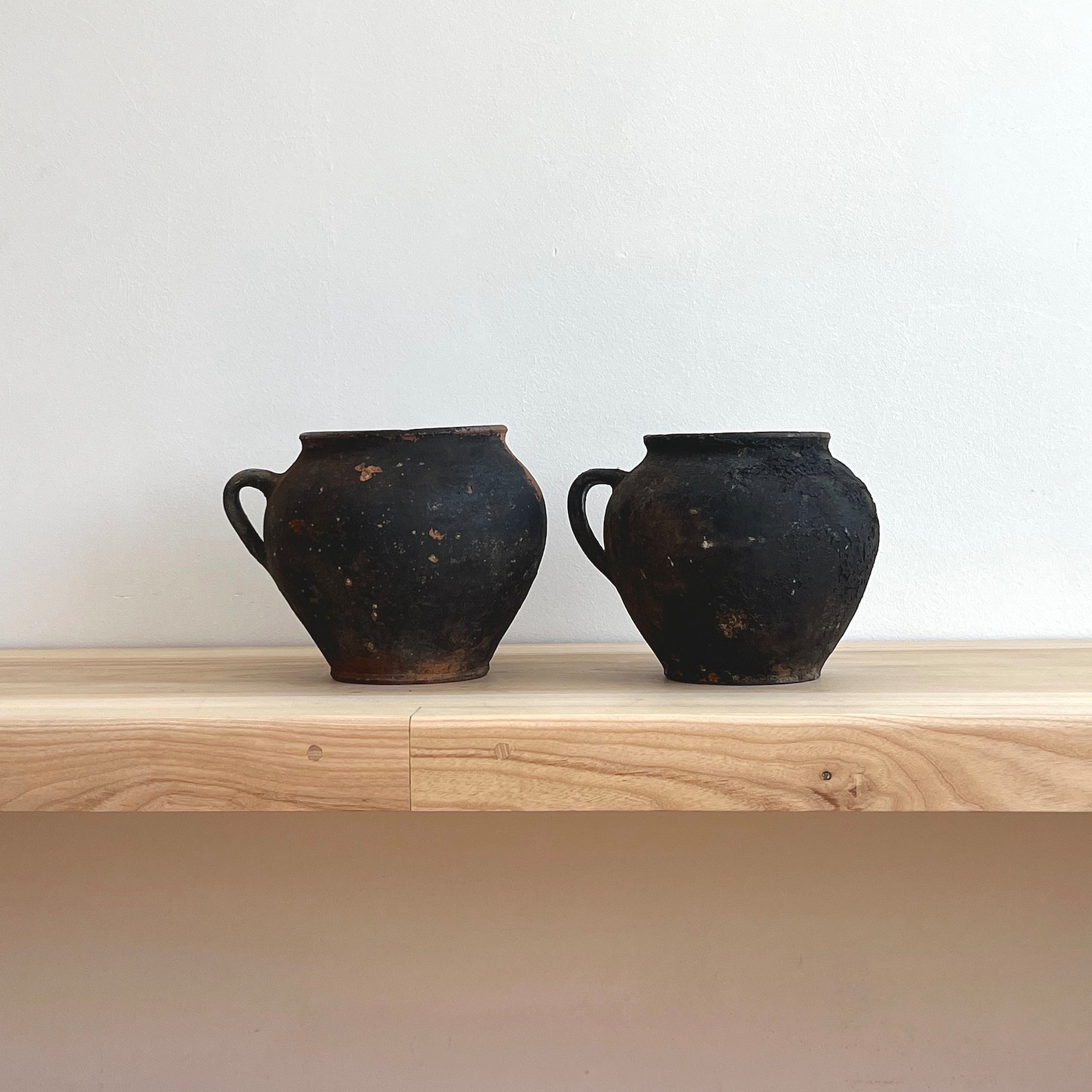
In a world that moves quickly and replaces things easily, there’s comfort in objects that have lasted. Vintage pottery carries that sense of time. Made slowly and by hand, these pots hold traces of craft, use, and care that feel increasingly rare.
Whether placed in a home or kept as part of a collection, antique pots bring a depth that doesn’t follow trends. Their surfaces show wear, small imperfections, and signs of use details that give them character rather than detract from it. They remind us that everyday objects were once made to be practical, personal, and long-lasting.
Spending time with antique pots offers more than historical knowledge. It encourages a different way of looking one that values craftsmanship, patience, and material honesty. For designers, dealers, and collectors alike, these pieces aren’t just decorative. They’re quiet links to the past, still present in our homes today, continuing a story that hasn’t quite finished yet.